16 principles for a wise, dignified, and meaningful existence.
Esteban Montilla | 31 diciembre, 2025

Introduction
Human life is a dynamic process that requires inner clarity, wise decisions, and daily practices that honor our dignity. Each person, based on their history and context, possesses integrated capacities—cognitive, emotional, relational, spiritual, and behavioral—that can be strengthened through patterns that promote well-being, growth, and meaning. These principles are not rigid mandates or unattainable ideals, but rather wise guidelines that accompany the person in constructing a life project, that is, a discerned path that integrates personal history, values, and the existential goal that gives ultimate meaning to our journey. This life project is clarified through the vision-mission-objectives structure, which helps avoid dispersion, prioritize essentials, and live with greater coherence between what we think, feel, and do.
Living wisely also involves seeking a deep balance between work, play, and rest, for existence is sustained when these dimensions are integrated in harmony. Human development requires attending to the survival needs that sustain life, the psychosocial needs that nourish identity and relationships, and the transcendental needs that open the heart to purpose and hope. In a world saturated with information, pressures, and constant change, these sixteen principles function as a wisdom map that guides life toward a clearer, more dignified, and more livable existence. They are invitations to cultivate practices that strengthen health, gratitude, humility, prudence, adaptability, and the capacity to love, reminding us that life flourishes when lived with balance, discernment, and purpose.
1) Cultivate a responsible relationship with your general and psychological health
General health and psychological health are part of the same integrated human experience, influenced by biology, personal history, and the culture we inhabit. Taking care of our health means paying attention to the signs that emerge in our cognitive, emotional, relational, spiritual, and behavioral capacities and responding with responsibility and dignity. Heeding the recommendations of trusted professionals, practicing preventive measures, and recognizing the limits life shows us are ways of honoring our existence. The World Health Organization (2022) emphasizes that comprehensive well-being cannot be separated from the social, economic, and cultural context, reminding us that health is always a situated and relational experience, never an isolated phenomenon.
Psychological health requires spaces for listening and reflection that allow us to process life with serenity and depth. It involves recognizing our vulnerabilities without shame, asking for help when necessary, and cultivating practices that strengthen adaptability and discernment. Contemporary psychology emphasizes the importance of social support, early intervention, and creating environments that promote emotional security. Caring for our holistic health means actively participating in the restoration God is doing in us, allowing our abilities to be expressed with greater clarity, freedom, and purpose.
“Dear friend, I pray that you may enjoy good health and that all may go well with you, even as your soul is getting along well” (3 John 1:2, NIV).
2) Eat wisely and in moderation
Eating is a profoundly human practice that involves our cognitive, emotional, relational, and spiritual capacities. Eating wisely means recognizing that every food choice influences our vitality, our inner clarity, and the way we inhabit the world. Contemporary nutritional science, as Willett and Stampfer (2013) point out, has shown that balanced eating patterns—rich in foods with fats, carbohydrates, proteins, minerals, and vitamins, and minimally processed—contribute to sustained well-being and a fuller life.
Within this framework, the value of a diet that includes fiber, especially prebiotic fiber, as well as foods containing probiotics, is recognized, as they can promote a more balanced digestive system and support overall well-being. When we live mindfully, the table becomes a space for gratitude, encounter, and recognition of the goodness that creation offers. Choosing nutritious foods, drinking water regularly, and avoiding excess are not moral obligations but a way of honoring the life entrusted to us.
Moderation in eating also invites us to reflect on justice and equity. In a world where many lack the basics, learning to eat soberly is an ethical act that recognizes our interdependence and social responsibility. Biblical wisdom reminds us that true fulfillment is not found in disorderly abundance, but in inner peace and the simplicity that dignifies it. Eating in moderation is a way to resist the culture of excess and cultivate an embodied spirituality that values balance, gratitude, and solidarity. Healthy eating not only strengthens our overall health and psychological well-being but also helps us live with greater clarity, serenity, and purpose.
“So whether you eat or drink or whatever you do, do it all for the glory of God” (1 Corinthians 10:31, NIV).
3) Keep moving as an expression of vitality
Human movement is one of the most beautiful expressions of our ability to inhabit the world with intention, energy, and gratitude. It is not just about exercising but about recognizing that mobility—in any form—sustains our vitality and promotes balance among our cognitive, emotional, relational, spiritual, and behavioral capacities. The World Health Organization (2020) has shown that regular physical activity, even at moderate levels such as walking, significantly improves overall and psychological well-being, reduces stress, and strengthens resilience. Moving is a way to honor the life that flows within us, to remain attentive to what we feel, and to cultivate a more awakened presence in our daily lives.
Movement also invites us to reconnect with creation, with the rhythm of nature, and with the wisdom of the lived body. The focus is less on reaching athletic milestones and more on maintaining a regular routine that helps us improve our breathing, sharpen our thinking, and engage with the world more openly and acceptingly. Consistency, rather than intensity, is the key to moving a pattern that dignifies our existence. When we walk, stretch, dance, or simply consciously activate our bodies, we participate in a process of renewal that reminds us that life is dynamic, that health is cultivated, and that hope also moves.
“Do you not know that your body is a temple of the Holy Spirit, who is in you, whom you have received from God? You are not your own; you were bought at a price. Therefore honor God with your body” (1 Corinthians 6:19-20, NIV).
4) Honor rest as an essential part of existence
Rest is one of the most profound practices of human dignity because it recognizes that life is sustained not solely by productivity but also by the ability to pause, breathe, and regain the energy to keep going. Resting is not a passive act, but an active form of care that allows our cognitive, emotional, relational, spiritual, and behavioral capacities to reorganize and find balance. Contemporary research on sleep, such as that of Walker (2017), shows that adequate rest directly influences memory, decision-making, emotional regulation, and creativity. Therefore, it is advisable to cultivate daily rest that includes moments of relaxation and restful sleep; weekly rest that allows us to slow down and regain perspective; and annual rest that offers a broader space to renew our strength and reorient our lives.
Rest is also a spiritual space in which existence is reordered from within. During a break, priorities are clarified, tensions are eased, and the ability to look at the world with more compassionate eyes is regained. Recreation, laughter, healthy leisure, and contemplation are expressions of rest that nourish the inner self and strengthen adaptability. In a world that exalts constant performance, resting becomes a countercultural act that affirms our humanity and reminds us that we are not machines but relational beings who need to renew our strength to live with purpose. Rest, when practiced with intention and rhythm—daily, weekly, and annually—becomes a space of grace where life becomes more livable.
“In peace I will lie down and sleep, for you alone, Lord, make me dwell in safety” (Psalm 4:8).
5) Use and exercise your faith more
Faith, in its deepest essence, is a form of trust that permeates all our human capacities, including trusting in who we are, in those who walk with us, and in the loving presence of God that sustains life. Faith is not a magical resource or an external force operating outside our experience, but an inner disposition that is strengthened when practiced with honesty, reflection, and openness. Trusting oneself implies recognizing the dignity that dwells in our history, the wisdom accumulated in our learning, and the real capacity we have to face life’s challenges. Trusting good people—those who have shown us loyalty, care, and truth—is recognizing that life is built on relationships that sustain, accompany, and humanize. And trusting God is opening oneself to a broader horizon of meaning, hope, and purpose. The psychology of religion, especially in Pargament’s (2007) studies, shows that this faith, when lived maturely and flexibly, contributes to overall and psychological well-being by offering frameworks of meaning and ethical guidance.
Faith also invites us to step outside ourselves to recognize the goodness that manifests itself in everyday life. When we trust—in ourselves, in others, and in God—our capacity to love, serve, and act courageously expands. Faith is exercised in concrete gestures: in the decision to get up on a difficult day, in an honest conversation with someone close to us, in the act of helping without expecting anything in return, in silent prayer that opens space for hope. It is not about having “more faith” but about using the faith that is already within you: that trust that has sustained you until today and has allowed you to endure, learn, and grow. Faith exercised with humility and wisdom becomes a source of inner clarity and strength to live with purpose, reminding us that trust is a path that is traveled step by step, in the company of those who love us and in the light of God.
“Now faith is the assurance of things hoped for, the conviction of things not seen” (Hebrews 11:1).
6) Maintain a spirit of gratitude and generosity throughout the year
Gratitude is an inner disposition that transforms how we interpret life and relate to those around us. It does not arise from the absence of difficulties, but from the ability to recognize the goodness that manifests itself even during challenges. Emmons and McCullough (2003) have shown that gratitude strengthens overall and psychological well-being, broadens perspective, and promotes healthier relationships.
Practicing gratitude involves pausing, observing, naming, and thanking the gestures of kindness we receive: a timely word, an act of support, an unexpected opportunity, a comforting presence. Gratitude helps us live with greater serenity, resist the temptation of cynicism, and cultivate a more compassionate outlook on life. Generosity is the concrete expression of gratitude. When we share who we are and what we have—time, resources, skills, and listening—we help build a more humane and just world. Generosity is not measured by quantity, but by the disposition of the heart that recognizes that relationships of reciprocity and mutual care sustain life. To be generous is to resist the logic of individualism and affirm that human dignity flourishes in community. Gratitude and generosity, when practiced consistently, shape character, strengthen hope, and allow us to walk through the year with a freer, nobler spirit and a greater willingness to assist others.
“You will be enriched in every way so that you can be generous on every occasion” (2 Corinthians 9:11, NIV).
7) Say yes to new opportunities for growth and holistic development
Human life expands when we dare to say yes to what invites us to grow. Opportunities for development—intellectual, emotional, relational, spiritual, or professional—rarely come at times of absolute comfort; instead, they tend to appear at the limits of the known, where uncertainty and possibility intertwine. Opening ourselves to new experiences, exploring uncharted territory, and allowing curiosity to guide our steps are ways to honor our abilities and recognize that life is dynamic. Developmental psychology, especially in Dweck’s (2006) studies, shows that people who adopt a growth mindset view challenges as learning opportunities rather than as threats to avoid. Saying yes, then, is an act of courage that invites us to leave the garden of conformity and row into deeper waters.
Accepting new opportunities also means recognizing that growth is neither linear nor immediate. Sometimes the experiences that transform us most are those that force us to question assumptions, revise beliefs, and broaden our understanding of the world. Reading beyond the usual, engaging in dialogue with different perspectives, participating in educational spaces, and allowing other voices to challenge us are practices that enrich our inner lives and strengthen our capacity for discernment. Saying yes does not mean accepting everything indiscriminately, but rather opening ourselves, with wisdom, to that which has the potential to expand our humanity. Every well-discerned opportunity is a seed that, over time, can bear fruit in maturity, clarity, and purpose.
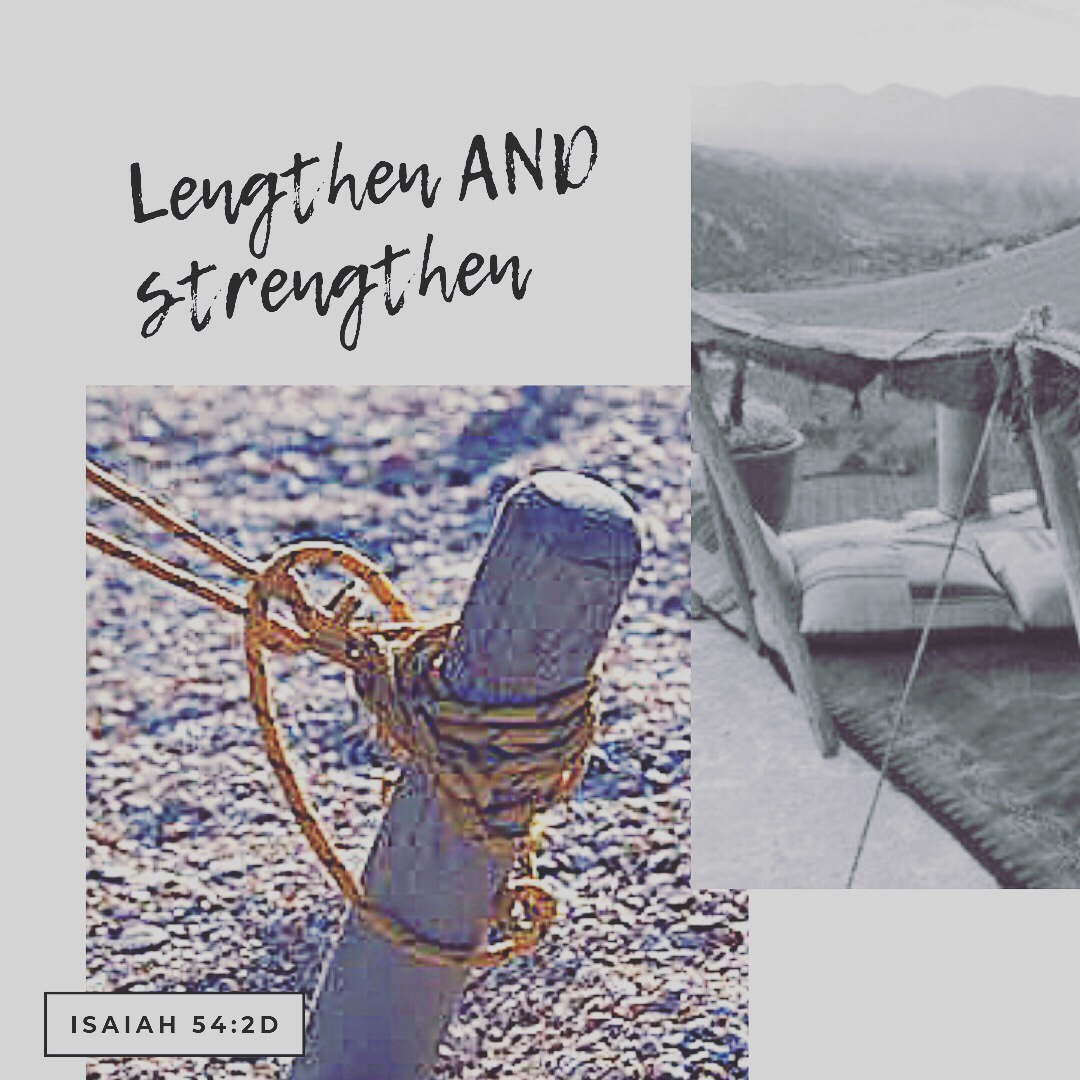
“Enlarge the place of your tent, stretch your tent curtains wide. Do not hold back; lengthen your cords and strengthen your stakes” (Isaiah 54:2, NIV).

8) Practice patience and generosity of spirit in your daily life.
Patience is a form of embodied wisdom that allows us to respond to life with serenity, even when circumstances do not conform to our desires or expectations. It is not passivity or resignation, but a capacity that is cultivated by learning to wait with purpose, to breathe before reacting, and to recognize that human processes—our own and those of others—take time. Psychological research on emotional self-regulation, as noted by Baumeister and Tierney (2011), shows that patience strengthens the ability to make clearer decisions, reduces impulsiveness, and promotes healthier relationships. Practicing patience is ultimately an act of humility, in that we accept that we do not control everything and that life has rhythms that do not always coincide with our own.
Open-heartedness, for its part, is the relational expression of that patience. It involves opening ourselves to the diversity of perspectives, histories, and sensibilities around us, without turning difference into a threat. Cultivating open-heartedness does not mean giving up our convictions, but learning to listen attentively, to understand before judging, and to hold difficult conversations without losing dignity or compassion. When we practice patience and open-heartedness, we create spaces where coexistence becomes more humane, kinder, and more just. These virtues, practiced day by day, shape our character and help us walk through life with greater inner clarity and a more peaceful presence.
“The patient person shows great prudence; the quick-tempered person shows foolishness” (Proverbs 14:29).
9) Cultivate healthy and meaningful relationships
Human relationships are one of the areas where our abilities—cognitive, emotional, relational, spiritual, and behavioral—find their deepest expression. Cultivating healthy bonds involves learning to listen attentively, communicate clearly, and maintain presence even when life becomes complex. Meaningful relationships are not built automatically: they require time, intention, and a willingness to show ourselves authentically.
Contemporary research on relational well-being, as noted by Holt-Lunstad and colleagues (2015), shows that strong human connections reduce stress, strengthen adaptability, and contribute to overall and psychological well-being. In this journey, social discernment is essential: recognizing who our allies, rivals, and enemies are. Allies are those who care for, support, and promote our lives; with them, it is beneficial to deepen trust and reciprocity. Rivals, far from being threats, can motivate us to grow, to give our best, and to refine our abilities. Enemies—those whose actions seek to harm us or destroy what we value—require firm boundaries, a prudent distance, and ethical protection strategies.
Healthy relationships also require clarity, reciprocity, and a sense of shared responsibility. It is not about accumulating connections, but about nurturing those that promote dignity, trust, and mutual growth. Deep friendships, healthy family ties, and supportive communities become refuges where we can rest, learn, and renew ourselves. At the same time, social discernment helps us avoid harmful naivety, as not everyone deserves the same access to our intimacy, nor are all dynamics safe or fair. Strengthening ties with allies, learning from rivals, and protecting ourselves from enemies are ways to navigate life with wisdom without losing compassion or lucidity. Relationships that honor truth, justice, and mutual respect become spaces where life becomes more livable and hope finds firm roots.
“Two are better than one, because they have a good return for their labor” (Ecclesiastes 4:9, NIV).

10) Maintain an attitude of continuous learning.
Continuous learning is a form of active humility that recognizes that life always has something new to teach us. It is not just about acquiring information, but about cultivating an inner disposition that is open to novelty, revises its assumptions, and allows itself to be transformed by experience. Learning is an expression of our cognitive, affective, relational, spiritual, and behavioral capacities, all working together to expand our understanding of the world and ourselves. Contemporary educational research, especially in Illeris (2018), shows that meaningful learning occurs when we integrate knowledge, emotion, and context, enabling what we learn to become practical wisdom. Maintaining an attitude of continuous learning is, therefore, a way of honoring life, of remaining awake, and of walking with greater lucidity.
Learning also requires courage: the courage to recognize what we do not know, to listen to different perspectives, and to allow other voices to broaden our view. Constant reading, honest dialogue, continuous training, and openness to new experiences are paths that enrich our inner life and strengthen our discernment. Learning is not about accumulating data, but about refining our ability to interpret reality with greater depth and compassion. When we maintain an attitude of continuous learning, we avoid rigidity, cultivate flexibility, and become better able to respond to challenges with creativity and wisdom. Life becomes broader when we allow ourselves to continue learning.
“My son, seek instruction in your youth, and when you are old, you will still have wisdom. Approach it as one who plows and reaps in the hope of a good harvest. By cultivating it, you will have little work and soon eat its fruits” (Ecclesiasticus 6:18-19, DHH).
11) Practice good stewardship of your resources
Good stewardship of resources is a concrete expression of responsibility, dignity, and wisdom. It is not only about money, but also about time, energy, relationships, opportunities, and abilities. Good stewardship involves recognizing that all resources are limited and that every decision affects our present and future lives. Mullainathan and Shafir (2013) show that scarcity—real or perceived—affects our ability to make clear decisions, while conscious planning reduces stress and strengthens overall and psychological well-being. Practicing good stewardship is therefore an act of inner clarity: ordering priorities, avoiding impulsive spending, cultivating patterns of saving or investing, and using resources in ways that reflect our deepest values.
Wise stewardship also involves recognizing that resources are not only for accumulation, but also for sustaining one’s own life and contributing to the common good. Being good stewards means investing in what nourishes our abilities, supporting causes that promote justice and dignity, and avoiding dynamics that enslave us to debt, excess, or unsustainable lifestyles. Good stewardship requires discipline, but also gratitude, recognizing that what we have, whether much or little, can become an instrument of growth, assistance, and hope. When we manage wisely, life becomes more orderly, freer, and more aligned with the purpose that God reveals along our path.
“Plans made with careful thought succeed; those made in haste fail” (Proverbs 21:5, NIV).
12) Practice humility and constructive self-examination.
Humility is a form of wisdom that allows us to recognize our human condition without falling into self-deprecation or arrogance. It is the ability to see ourselves truthfully, that is, with our strengths, limitations, and possibilities for growth. Its etymological root—humus, fertile and nutrient-rich soil—reminds us that true humility is the soil that gives life. That is, a humble person not only grows but also becomes fertile ground for others to grow. Humility does not diminish dignity; on the contrary, it strengthens it, because it frees us from the need to pretend and allows us to live more authentically.
Psychological research on moral development, as noted by Tangney et al. (2000), shows that humility is associated with healthier relationships, greater openness to learning, and better emotional regulation. Practicing humility means accepting that we do not know everything, that we can make mistakes, and that there is always room to grow without losing our dignity or inner clarity.
Constructive self-examination is the natural companion of humility. It is not about punishing ourselves or feeding unnecessary guilt, but about evaluating our actions honestly to learn from them. Mature self-criticism helps us identify patterns we need to transform, recognize decisions that could have been better, and strengthen our capacity for discernment. This practice requires courage because looking inward always involves facing truths we would rather avoid. But when self-criticism is exercised with compassion, it becomes a path to integral growth: it allows us to make amends, ask for forgiveness, adjust our course, and move forward with greater wisdom. Humility and self-examination, when practiced together, shape a nobler, more lucid character that is better able to live in peace with oneself and with others, promoting an environment in which everyone can flourish.
“Wisdom is with the humble” (Proverbs 11:2, NIV).
13) Practice prudence and wisdom in your decisions and actions
Prudence is a virtue of wisdom that helps us act with clarity, responsibility, and discernment. It is not about fear or indecision, but rather the ability to evaluate situations calmly, consider the consequences, and choose the path that best honors our dignity and that of others. The pursuit of wisdom involves obtaining reliable information, distinguishing fact from fiction, and separating scientific evidence from unfounded opinions. Contemporary research on decision-making, as noted by Kahneman and colleagues (2021), shows that impulsivity and overconfidence often lead to avoidable mistakes. In contrast, thoughtful reflection and careful analysis lead to more accurate choices. Practicing prudence and wisdom is, therefore, an act of inner lucidity, a pausing to think, consult, evaluate, and act with purpose.
Wisdom is also cultivated in community. Consulting with allies—those who know us, wish us well, and promote our flourishing—can offer us perspectives we had not considered. Similarly, relying on reliable scientific information helps us make more sound decisions, especially in a world saturated with contradictory data and misleading narratives. Prudence invites us to avoid extremes, to be wary of easy solutions, and to cultivate a broad view that considers both the present and the future. Being prudent and wise does not mean becoming paralyzed; rather, it means moving forward with steady, conscious steps, caring for what is valuable and protecting what deserves preservation. When wisdom guides our decisions, life becomes more orderly, more secure, and more aligned with the purpose we seek to embody.
“The prudent see danger and take refuge, but the simple keep going and suffer for it” (Proverbs 27:12, NIV).
14) Practice adaptation and coping with change
Adaptation is a fundamental human capacity that allows us to reorganize our lives when circumstances change. It is not resignation or emotional hardness, but the ability to adjust expectations, reinterpret experiences, and find new ways to live what is essential. Adaptation involves all of our capacities—cognitive, affective, relational, spiritual, and behavioral—working together to help us face difficult situations with greater inner clarity. Masten et al. (2014) show that the capacity for adaptation is strengthened when we have social support, reflect on our experiences, and develop coping strategies that allow us to move forward without losing our dignity. Practicing adaptation means recognizing that life changes, that plans transform, and that, even so, we can continue to walk with purpose.
Coping is the practical expression of this capacity for adaptation. Coping involves identifying what is within our control, accepting what we cannot change, and acting wisely on what we can influence. Effective coping requires creativity, patience, and a willingness to revise beliefs or patterns that no longer correspond to current reality. Sometimes, adapting means persisting; other times, it means redirecting efforts or opening up to unexpected paths. Wisdom consists of discerning the right move at any given moment. When we cultivate adaptation and coping, we avoid despair, reduce emotional exhaustion, and strengthen an active hope that allows us to live with balance amid uncertainty.
“I have learned to be content whatever circumstances I am in. I know what it is to live in poverty and what it is to live in abundance. I have learned to live in every circumstance” (Philippians 4:11-12, NIV).

15) Practice digital hygiene and wise use of technology
Technology is a powerful tool that can enrich life or fragment it, depending on how we use it. Digital hygiene involves developing habits that protect our attention, privacy, and emotional health. This includes regulating screen time, avoiding overexposure to harmful content, verifying information before sharing it, and cultivating device-free spaces to rest and connect with what is essential. Twenge et al. (2019) show that excessive and unregulated use of social media can affect mood, concentration, and sleep quality, while moderate and conscious use promotes overall and psychological well-being. Practicing digital hygiene is, therefore, an act of self-care and ethical responsibility.
The wise use of artificial intelligence and social media requires discernment, judgment, and a clear understanding of their possibilities and limitations. Artificial intelligence can be an ally in learning, organizing, creating, and making informed decisions, as long as it is used critically and we do not delegate our moral responsibility to it. Social media, for its part, can strengthen bonds, spread knowledge, and create community, but it can also distort reality, amplify conflicts, and erode attention. Using it wisely means selecting sources carefully, avoiding harmful comparisons, protecting privacy, and prioritizing genuine relationships over superficial interactions. When we use technology consciously, ethically, and moderately, it becomes a tool that enhances our abilities rather than weakens them.
“Everything is permissible, but not everything is beneficial. Everything is permissible, but not everything builds up” (1 Corinthians 10:23, NIV).
16) Cultivate a sense of purpose and a life project that guides your existence
A sense of purpose is an inner force that organizes life, gives coherence to decisions, and sustains hope in times of uncertainty. This purpose is expressed in what we call a life project, a dynamic construction that integrates our history, values, abilities, and deepest aspirations. A life project is not a rigid plan but a discerned path that includes an existential goal: what gives ultimate meaning to our existence and guides our daily actions. Steger et al. (2012) show that those who develop a clear purpose experience greater overall and psychological well-being, make more value-aligned decisions, and strengthen their coping skills. Purpose is not imposed from outside; it is discovered from within, in dialogue with one’s own history, with the allies who accompany us, and with faith understood as trust.
To clarify this purpose, it is helpful to think in three levels: vision, mission, and objectives. The vision is the long-term goal, the broad horizon that describes the kind of life we want to build. The mission is the medium-term goal: what we must cultivate, learn, or transform to get closer to that vision. The objectives are the short-term goals and concrete, achievable steps that allow us to move forward with clarity and measure progress. Objectives and mission exist to serve the vision, not the other way around. This structure helps us avoid dispersion, prioritize what is essential, and live with greater coherence between what we think, feel, and do. When a person lives guided by a clear purpose, a well-defined life project, and goals organized into a vision, mission, and objectives, their journey is filled with meaning, even amid uncertainty.
“Brothers and sisters, I do not consider myself yet to have taken hold of it. But one thing I do: Forgetting what is behind and straining toward what is ahead, I press on toward the goal to win the prize for which God has called me heavenward in Christ Jesus” (Philippians 3:13-14, NIV).

Conclusion
Human life becomes more livable when we learn to live with balance, purpose, and dignity. These sixteen principles do not seek to impose burdens, but rather to offer a wise map to accompany each reader’s personal journey. They recognize that human development is integral: it includes the survival needs that sustain life, the psychosocial needs that nourish identity and relationships, and the transcendental needs that open the heart to meaning, faith, and hope. Living wisely means honoring all these dimensions without neglecting any, allowing our cognitive, emotional, relational, spiritual, and behavioral capacities to express themselves harmoniously. Existence becomes clearer when we cultivate practices that strengthen health, gratitude, humility, prudence, and adaptability, reminding us that each day is an opportunity to grow with purpose.
This way of life also requires seeking a deep balance between work, play, and rest. Work allows us to contribute, create, and sustain life; play reminds us of the joy, creativity, and lightness necessary to keep our spirits from hardening; and rest returns us to the natural rhythm of existence, where life is renewed from within. When these three dimensions are wisely integrated, life becomes fuller, more human, and more open to grace. May these principles accompany each person in living with greater clarity, cultivating relationships that dignify, and walking with a clear purpose, trusting that life—when lived with balance, gratitude, and discernment—can become a space where hope flourishes.
References
Baumeister, R. F., & Tierney, J. (2011). Willpower: Rediscovering the most incredible human strength. Penguin Press.
Dweck, C. S. (2006). Mindset: The new psychology of success. Random House.
Emmons, R. A., & McCullough, M. E. (2003). Counting blessings versus burdens: An experimental investigation of gratitude and subjective well-being in daily life. Journal of Personality and Social Psychology, 84(2), 377–389.
Holt-Lunstad, J., Smith, T. B., Baker, M., Harris, T., & Stephenson, D. (2015). Loneliness and social isolation as risk factors for mortality: A meta-analytic review. Perspectives on Psychological Science, 10(2), 227–237.
Illeris, K. (2018). Contemporary theories of learning: Learning theorists… in their own words. Routledge.
Kahneman, D., Sibony, O., & Sunstein, C. R. (2021). Noise: A flaw in human judgment. Little, Brown Spark.
La Biblia. (Diversas versiones: NVI, DHH). Sociedades Bíblicas Unidas.
Masten, A. S., Best, K. M., & Garmezy, N. (2014). Resilience and development: Contributions from the study of children who overcome adversity. Development and Psychopathology, 2(4), 425–444.
Mullainathan, S., & Shafir, E. (2013). Scarcity: Why having too little means so much. Times Books.
Organización Mundial de la Salud. (2020). Guidelines on physical activity and sedentary behaviour. OMS.
Organización Mundial de la Salud. (2022). World mental health report: Transforming mental health for all. OMS.
Pargament, K. I. (2007). Spiritually integrated psychotherapy: Understanding and addressing the sacred. Guilford Press.
Tangney, J. P., Stuewig, J., & Mashek, D. J. (2000). Moral emotions and moral behavior. Annual Review of Psychology, 58, 345–372.
Walker, M. (2017). Why we sleep: Unlocking the power of sleep and dreams. Scribner.
Willett, W. C., & Stampfer, M. J. (2013). Current evidence on healthy eating. Annual Review of Public Health, 34, 77–95.